
Introduction:
Artificial Intelligence (AI) has been a hot topic in the world of technology for quite some time now. With its ability to mimic human cognitive functions such as learning, problem-solving, and decision making, AI has the potential to revolutionize various industries and drive innovation. From healthcare to finance, AI technology is already making a significant impact, and its potential for further advancements is endless. In this article, we will explore the potential of AI technology for driving innovation in various industries and how it is already transforming the way businesses operate.
The Impact of AI in Healthcare:
One industry that has seen a significant transformation due to the implementation of AI technology is healthcare. With the help of AI, healthcare professionals are now able to analyze vast amounts of medical data and make accurate diagnoses and treatment plans. AI-powered systems are also being used to assist surgeons in complex surgeries, reducing the risk of human error and improving patient outcomes. Additionally, AI technology is also being used to develop personalized treatment plans for patients based on their medical history and genetic makeup, leading to more effective and efficient healthcare.
AI in Finance:
Another industry that has been greatly impacted by AI technology is finance. With the help of AI-powered algorithms, financial institutions can now analyze vast amounts of data and make accurate predictions about market trends and investment opportunities. This has greatly improved the efficiency of financial decision-making and has also led to the development of new financial products and services. AI technology is also being used to detect fraudulent activities and prevent financial crimes, making the financial sector more secure and trustworthy.
The Role of AI in Education:
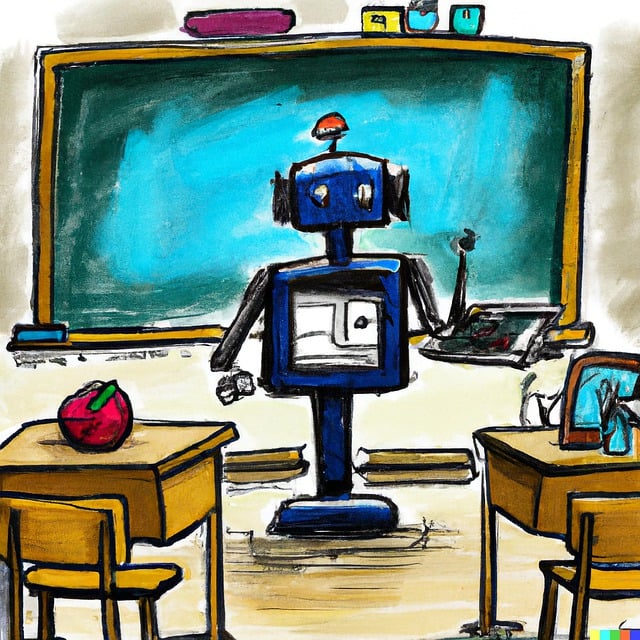
The education sector is also undergoing a transformation with the integration of AI technology. AI-powered systems are being used to personalize learning experiences for students, taking into account their learning style, pace, and interests. This has made learning more engaging and effective for students, leading to better academic performance. AI technology is also being used to grade assignments and provide feedback, reducing the workload of teachers and allowing them to focus on other important tasks. Additionally, AI-powered chatbots are being used to provide 24/7 support to students, answering their queries and providing them with resources, making education more accessible and convenient.
The Potential of AI in Manufacturing:
The manufacturing industry is also seeing a significant impact of AI technology. With the help of AI-powered robots, manufacturing processes have become more efficient and cost-effective. These robots are able to perform tasks with precision and speed, reducing the risk of human error and increasing productivity. AI technology is also being used to analyze data from sensors and predict maintenance needs, preventing costly breakdowns and downtime. This has led to a more streamlined and optimized manufacturing process, resulting in better quality products and increased customer satisfaction.
AI in Retail:
The retail industry is also embracing AI technology to drive innovation and improve customer experience. AI-powered chatbots are being used to provide personalized recommendations to customers based on their browsing and purchase history, leading to increased sales and customer satisfaction. AI technology is also being used to analyze customer data and predict buying behavior, allowing retailers to stock their shelves with the right products at the right time. This has led to a more efficient supply chain and reduced inventory costs. Additionally, AI-powered virtual assistants are being used to provide 24/7 customer support, improving the overall shopping experience for customers.
The Future of AI:
The potential of AI technology for driving innovation is endless, and its impact is only going to increase in the future. With advancements in machine learning and natural language processing, AI is becoming more sophisticated and capable of performing complex tasks. In the coming years, we can expect to see AI technology being used in fields such as transportation, energy, and agriculture, leading to further advancements and improvements in these industries.
Challenges and Ethical Considerations:
While the potential of AI technology is exciting, it also comes with its fair share of challenges and ethical considerations. One of the major concerns with AI is the potential loss of jobs as machines and robots take over tasks that were previously performed by humans. This calls for the need to upskill and reskill the workforce to adapt to the changing job market. Additionally, there are concerns about the bias in AI algorithms, which can lead to discriminatory decisions. It is crucial to ensure that AI is developed and implemented ethically, with proper regulations in place to prevent any misuse or harm.
Conclusion:
In conclusion, AI technology has the potential to revolutionize various industries and drive innovation. From healthcare to finance, education to manufacturing, AI is transforming the way businesses operate and improving the lives of people. However, it is important to address the challenges and ethical considerations surrounding AI to ensure its responsible and beneficial use. As we continue to advance in this field, the future looks bright for AI technology, and we can expect to see even more groundbreaking innovations in the years to come.
