
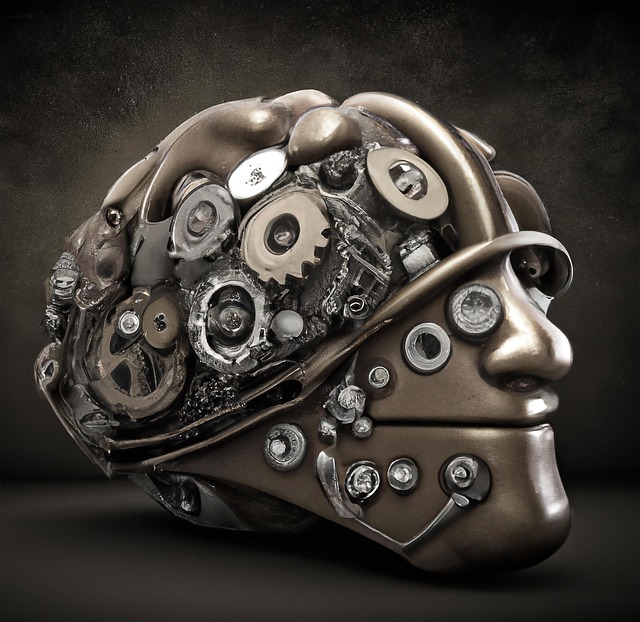
Revolutionizing Business with AI Technology: Driving Growth and Innovation Across Industries
Artificial Intelligence (AI) has been a buzzword in the business world for quite some time now. With its ability to process large amounts of data, learn from it, and make decisions without human intervention, AI has the potential to transform the way businesses operate. From improving efficiency and productivity to driving innovation and growth, AI technology is revolutionizing the business landscape across industries. In this article, we will explore how AI is driving growth and innovation in various sectors and the challenges and opportunities it presents for businesses.
The Rise of AI in Business
The rapid advancement of AI technology in recent years has led to its widespread adoption in various industries. According to a report by McKinsey, AI has the potential to create $13 trillion in value by 2030, with the majority of it being generated in the business sector. From customer service and marketing to supply chain management and decision-making, AI is being used in almost every aspect of business operations.
One of the main reasons for the rise of AI in business is its ability to process and analyze vast amounts of data. With the increasing amount of data being generated every day, businesses are finding it challenging to make sense of it and use it to their advantage. AI algorithms can quickly analyze this data and extract valuable insights, enabling businesses to make data-driven decisions and stay ahead of the competition.
Driving Growth and Innovation
AI technology has the potential to drive growth and innovation across industries by automating mundane tasks, improving efficiency, and enabling businesses to focus on more strategic initiatives. By automating repetitive tasks, AI technology frees up employees’ time, allowing them to focus on more creative and value-added work. This not only leads to increased productivity but also fosters a culture of innovation within the organization.
In the healthcare sector, AI is being used to analyze medical data and identify patterns that can help in early detection and treatment of diseases. This has not only improved patient outcomes but also reduced healthcare costs. In the retail industry, AI-powered chatbots are being used to provide personalized customer service, leading to increased customer satisfaction and loyalty. In the manufacturing sector, AI is being used to optimize supply chain processes, leading to cost savings and improved efficiency. These are just a few examples of how AI is driving growth and innovation in various industries.
Challenges and Opportunities
While AI presents numerous opportunities for businesses, it also comes with its fair share of challenges. One of the main challenges is the fear of job displacement. With AI automating many tasks, there is a concern that it will lead to job losses. However, experts believe that AI will create more jobs than it will replace, as it will require a skilled workforce to develop and maintain the technology.
Another challenge is the ethical implications of AI. As AI becomes more integrated into our daily lives, there is a need for ethical guidelines to ensure that it is used responsibly. This includes issues such as data privacy, algorithm bias, and transparency in decision-making. Businesses must address these concerns and develop ethical frameworks to ensure the responsible use of AI.
On the other hand, AI also presents numerous opportunities for businesses. With the help of AI, businesses can gain a competitive advantage by leveraging data to make accurate predictions and decisions. It also enables businesses to personalize their products and services, leading to improved customer satisfaction. Moreover, AI can help businesses identify new market opportunities and develop innovative solutions to meet customer needs.
The Future of AI in Business
The future of AI in business looks promising, with more and more companies investing in AI technology. According to a survey by Gartner, 37% of organizations have implemented AI in some form, and 27% plan to do so in the next 12 months. This shows that businesses recognize the potential of AI and are willing to invest in it to drive growth and innovation.
As AI technology continues to evolve, we can expect to see more advanced applications of AI in business. With the rise of Internet of Things (IoT) devices, AI can be used to analyze real-time data and make decisions in real-time, leading to more efficient and responsive processes. Moreover, with the development of Natural Language Processing (NLP), AI-powered chatbots will become more human-like, providing a seamless customer experience.
In conclusion, AI technology is revolutionizing the business landscape by driving growth and innovation across industries. Its ability to process large amounts of data, automate tasks, and make accurate predictions is transforming the way businesses operate. While it presents challenges, such as job displacement and ethical concerns, the opportunities it presents far outweigh them. As we move towards a more data-driven and technologically advanced future, businesses must embrace AI to stay competitive and drive growth and innovation.
